

What AI Agents Mean for E-Commerce Support
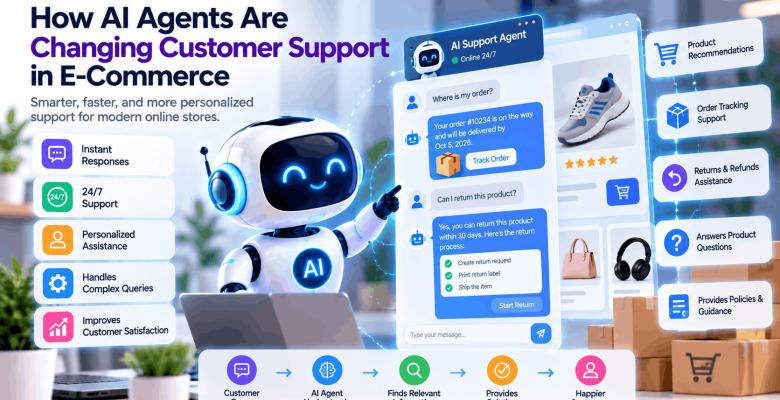
If you run an online store, you know how crucial customer support is. Missed questions or slow responses can mean lost sales. This is where AI agents come in. Think of them as tireless helpers working behind the scenes. They can answer common questions, track orders, and handle returns around the clock, without coffee breaks.
Understanding AI-Powered Helpers
AI agents for customer service use technology like natural language processing to understand what shoppers ask. Unlike basic chatbots that follow rigid scripts, these agents learn from interactions. They get better over time at grasping nuances in how customers phrase things. For example, whether someone types "Where's my package?" or "Order status update," the AI recognizes both as tracking requests.
Why Small Businesses Should Pay Attention
You might wonder if AI suits your operation. Here's how it helps:
- Always On: Customers shop at all hours. AI agents provide instant replies to common queries any time, reducing abandoned carts.
- Cost Efficiency: Handling routine tasks automatically frees your human team for complex issues, letting you do more without hiring.
- Scalability: During holiday rushes, AI scales instantly. No need to panic about support tickets piling up.
- Consistent Quality: Every customer gets accurate, polite responses based on your product info – no off days.
Real Jobs AI Handles Well
Look at tasks eating up your team's time:
- Order Tracking: Shippers provide APIs. Connect once, and AI fetches real-time updates when customers ask.
- Returns & Exchanges: Guide users through your policy, generate labels, and notify your warehouse – all autonomously.
- Product Questions: Pull answers directly from your catalog. If someone asks "Does this come in blue?" or "Vegan?", AI checks specs instantly.
- Appointment Booking: For service-based shops (like salons), integrate calendars so clients can self-schedule.
Getting Started Without Overcomplicating It
You don't need a tech department to begin. Focus on quick wins first:
Step 1: Map Common Queries
Review past support tickets. What questions come up daily? Tracking? Sizing charts? Start there – these are low-hanging fruit for automation.
Step 2: Choose Tools That Fit
Many platforms cater to small businesses. Look for:
- Pre-built e-commerce integrations (Shopify, WooCommerce, etc.)
- Simple setup without coding
- Transparent pricing (avoid per-message fees if possible)
Step 3: Train With Your Materials
Feed the AI your FAQ page, return policy, and catalog descriptions. The better your input, the smarter its output. Set clear boundaries: "Only suggest exchanges within 30 days," for example.
Step 4: Keep Humans in the Loop
Program escalations. If the AI detects frustration or can't resolve an issue after two tries, route it to your team. Monitor chats weekly to spot gaps.
Navigating Potential Hurdles
AI isn't magic. Be ready for tweaks:
- Misunderstandings: Some phrases confuse AI. Regularly review logs to add training examples.
- Over-Automation: Don't force AI on sensitive issues (billing disputes). Use it for repetitive tasks instead.
- Customer Skepticism: Clearly state when users chat with AI. Many prefer honesty – and quick answers win them over.
Expect a 70% automation rate initially. That's still huge time savings.
Where This Is Headed
Soon, AI agents will predict needs before customers ask. Imagine suggesting a reorder because someone's toothpaste is running low, or spotting delivery delays proactively. As tools get simpler, even solopreneurs will deploy robust support.
The Bottom Line
AI customer support isn't about replacing people. It's about empowering your small business to punch above its weight. Start small, focus on frequent tasks, and watch satisfaction (and margins) improve.

Discussion & Feedback